










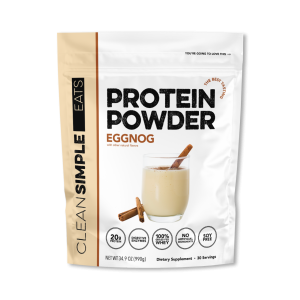
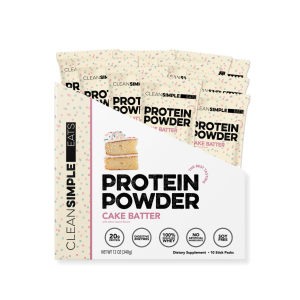


“The absolute best protein powder
ever! Tastes like vanilla ice cream!”

“I can’t get enough of this
snickerdoodle flavor!! The best
protein powder I’ve had!”

“So good! If Hawai had a flavor it’d be
this!”

“So creamy and smooth, you can taste
both the strawberry and cheesecake!”

“True to its name, it tastes like
chocolate peanut butter cup heaven!”

“This is the new standard of chocolate-
flavored protein! It’s as smooth as can
be, and tastes so good!”
Title: Optimizing Recovery: The Strategic Role of Protein Powder in Fitness
For anyone dedicated to a fitness journey, whether you are training for a marathon, lifting weights, or attending high-intensity interval classes, recovery is just as important as the workout itself. The stress placed on muscles during exercise causes microscopic tears in the tissue. It is during the rest period that the body repairs these tears, making the fibers stronger and larger. This biological process requires raw materials, and the primary material required is protein.
The Mechanism of Muscle Synthesis
Muscle Protein Synthesis (MPS) is the biological process where cells build new proteins. To trigger MPS, the body requires a sufficient concentration of amino acids in the blood, specifically an amino acid called leucine. This is where protein powder shines. Because powders are liquid and often hydrolyzed or isolated, they are digested rapidly. This causes a swift spike in amino acid levels in the bloodstream, flipping the body’s internal switch from “breakdown” to “build.”
While whole foods like chicken or eggs are excellent, they take time to digest. A shake can be absorbed in as little as 30 to 60 minutes, providing a rapid delivery system to hungry muscles immediately after physical exertion.
Timing: The Myth and the Reality
For years, gym-goers were told they had a strict “anabolic window”—a 30-minute period immediately after a workout where they had to consume protein, or their efforts would be wasted. Modern science suggests this window is much larger than previously thought. However, the principle remains sound. While you don’t need to chug a shake the second you drop a weight, consuming quality protein within two hours of training helps kickstart the recovery process and reduces muscle soreness (DOMS).
Strategic Usage for Different Goals
How you utilize protein powder can change based on your specific fitness objectives:
For Muscle Gain: The goal here is a caloric surplus with high nitrogen retention. Consuming protein powder not just post-workout, but perhaps as a snack between meals, helps ensure there is a constant supply of amino acids available for tissue growth.
For Fat Loss: When in a caloric deficit (eating fewer calories than you burn), the body is at risk of burning muscle for energy. Increasing protein intake becomes even more critical during weight loss to preserve lean muscle mass. A protein shake can serve as a low-calorie, high-nutrient snack that curbs hunger without blowing a calorie budget.
Hydration and Preparation
One overlooked aspect of using powdered supplements is hydration. Metabolism of protein requires water to flush out byproducts like urea. When increasing your intake through powders, it is vital to increase your water intake simultaneously to support kidney function and overall hydration.
Additionally, the preparation matters. Mixing powder with water yields the fastest absorption. Mixing it with milk (dairy or plant-based) adds fats and carbohydrates, which slows down digestion. This isn’t necessarily bad—in fact, for a meal replacement, the slower digestion from milk is preferred—but for immediate post-workout recovery, water is often the superior vehicle.
Consistency is Key
Ultimately, the most effective supplement strategy is consistency. Having a shake once a week will not change your physique. Integrating it into a structured nutrition plan, where you are meeting your daily macronutrient needs every single day, is what yields results. Protein powder removes the friction of meal prep, making it easier to remain consistent even on busy days. It bridges the gap between the body you have and the performance you want to achieve.


